Home · Solutions · Laboratories · Environmental, Food, Pharma, CDMO, CRO
Laboratories · Environmental, Food, Pharma, CDMO, CRO

Every peak integrated before your analyst sits down.

Integration can take 50 to 70% of an analyst's day. Caddie reads the raw detector files from a finished batch, integrates every peak the way your analysts would, and writes a reason on each call. Your team checks the few that need a person, then signs.

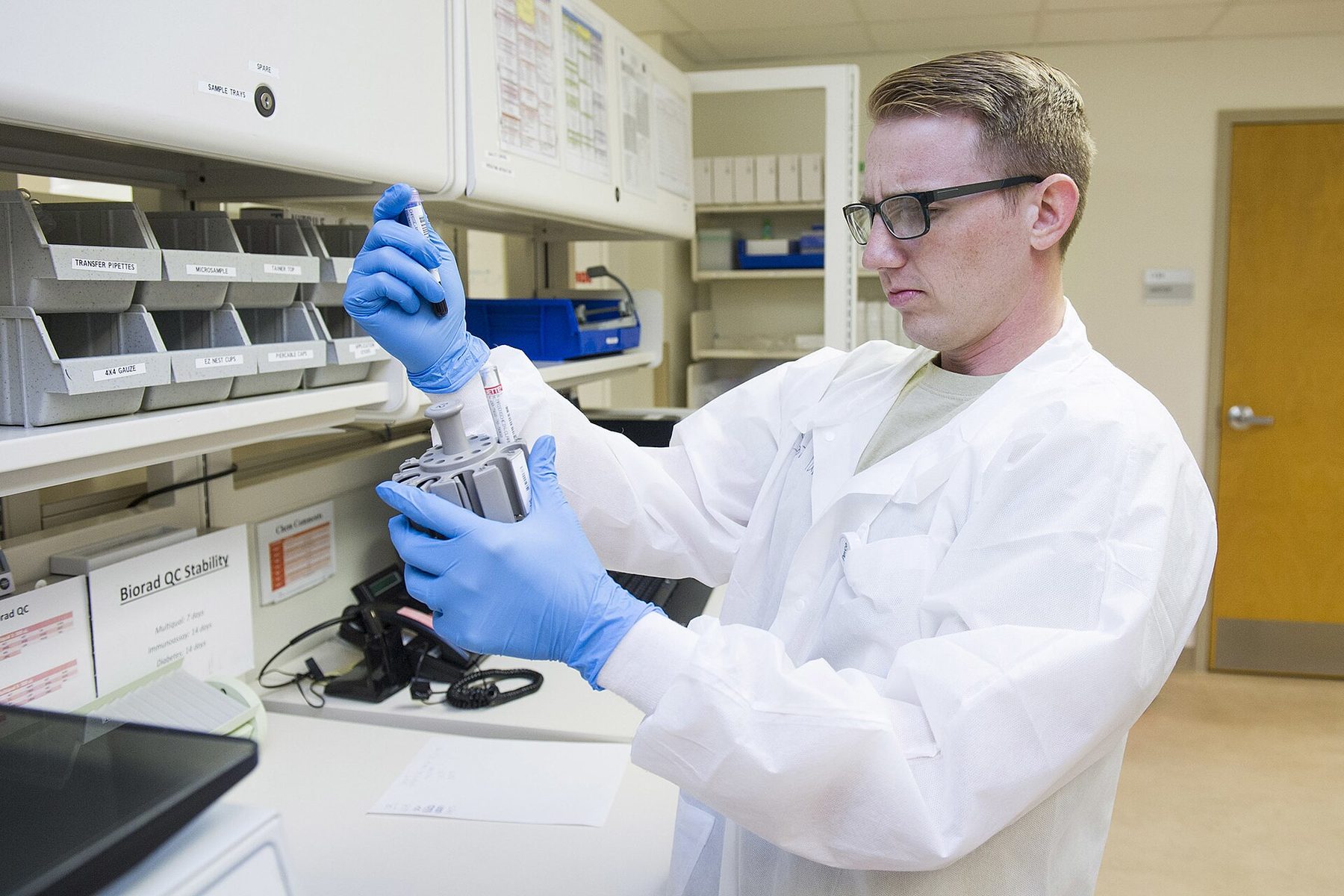
Laboratory technician pipetting samples at the bench
5.9 secto integrate a pesticide batch analysts spent 77 minutes on
Peak integration · one real batch

A real batch, integrated blind.

Organochlorine pesticides by dual-column GC-ECD, EPA 608 / 8081, from a North American environmental testing lab. 13 injections and 910 compound windows, taken exactly as delivered. Caddie never saw what the analysts had done. Then we compared.

Speed
5.9 sec
The whole batch, end to end

The analysts' own audit trail logged 77 minutes of hand edits on the same batch, and it only counts the edits they saved.

Accuracy
99%
Within 5% of the analyst's final number

On the single-compound peaks the analysts re-drew by hand. Their current software: 76%. Within 10% on every compound: 100%.

Decisions
0
Wrong calls

Nothing reported that the analysts deleted. Nothing dropped that they kept. 98.6% of calls needed no person at all.

Workload
909 to 10
Hand edits left for a person

704 deletions and 205 re-drawn baselines by two analysts. Caddie made every call and left 10 peaks for review.

A reason on every call. The analysts' 909 edits carried 0 written reasons, because nobody types a justification 909 times. Caddie wrote one on all 910 of its decisions, in the software's own audit format.

What we take over

From the custody form to the signed report.

Start with peak integration. Add the rest when you are ready. Each one runs on the files your lab already produces and hands your team a finished result to check and sign.

Start here

Peak integration

Every peak in a finished batch decided from the raw detector trace: real peak or not, where the baseline goes, report or delete. Written back into your own quantitation files with a reason on every call. Only the unclear few go to your analyst.

Report or deleteBaselines drawnA reason on every callSame answer every run
ReportedDeletedYour call

Batch close and analysis

Every result recomputed from the raw areas and every QC check graded against your SOP and each client's limits. A failed calibration check comes back as the samples it affects, the re-run list with reasons and a review record ready to sign.

QC against your SOPRe-run listReview record

Level 4 review

A 2,600-page data package checked against your client's format in seconds: missing forms, blank pages, duplicates, unsigned sheets and integrations with no justification. Find it before your client's data validator does.

Missing formsBlank pagesUnsigned sheets

Chain of custody review

The signed custody form checked against the sample login before anyone touches the samples. Every holding time recomputed, receipt temperature and preservation checked, and every hand-off in the signature chain accounted for.

Holding timesSignature chainReceipt condition

LIR / OOS investigations

For pharma labs, the Phase 1 packet drafted from the run data and audit trail in your own template: a checklist with cited evidence, ranked hypotheses and the retest protocol per your SOP.

Phase 1 packetCited evidenceRetest protocol

By lab type

Built for the methods your bench actually runs.

Food, environmental and pharma labs, CDMOs and CROs share the same afternoon of data work, but the methods, limits and paperwork differ. Each gets its own setup.

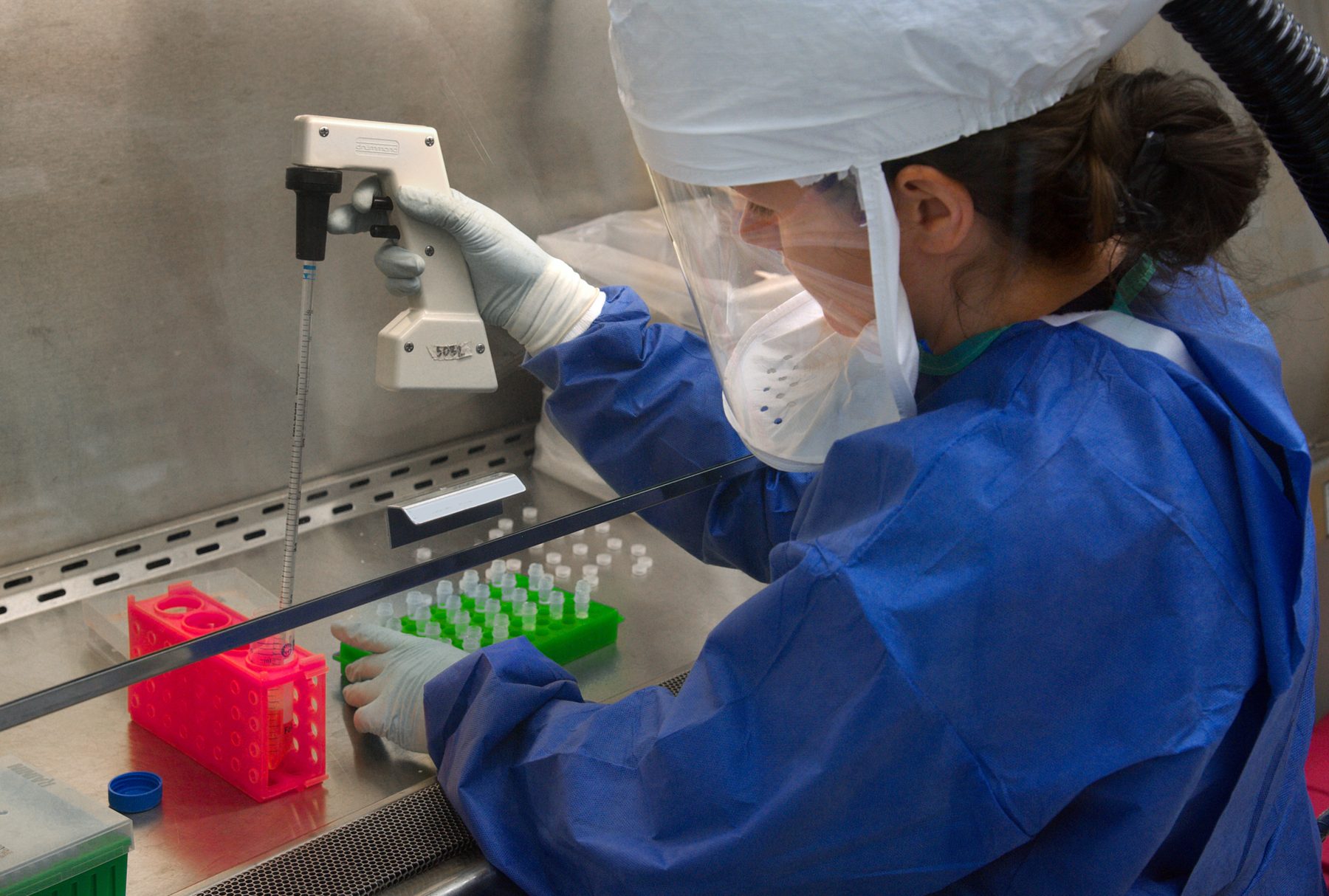
Scientist working inside a biosafety cabinet
Environmental testing

Environmental and water labs

EPA methods are the same in every state, so a method built once runs everywhere. Peaks are integrated on both columns, bracketing, blanks and recoveries are followed to their consequences, and the record is drafted while the run is still fresh.

  • Peak integration on GC-ECD pesticides. Every compound decided on both columns and confirmed across them, with the reason written into the audit trail.
  • Bracketing to the consequence. A failed continuing calibration becomes a per-analyte invalidation list and a re-run worklist, not a red cell.
  • Blanks, LCS and MS/MSD evaluated. Every QC sample checked against your SOP and client limits, with qualifiers applied the way your reviewers would.
Pesticides GC-ECD 608 / 8081524.2 / 8260 VOCsPFAS 537.1 / 533 / 1633IC anionsDrinking waterWastewater and soils
5.9 sto integrate a 13-injection pesticide batch, 0 wrong calls
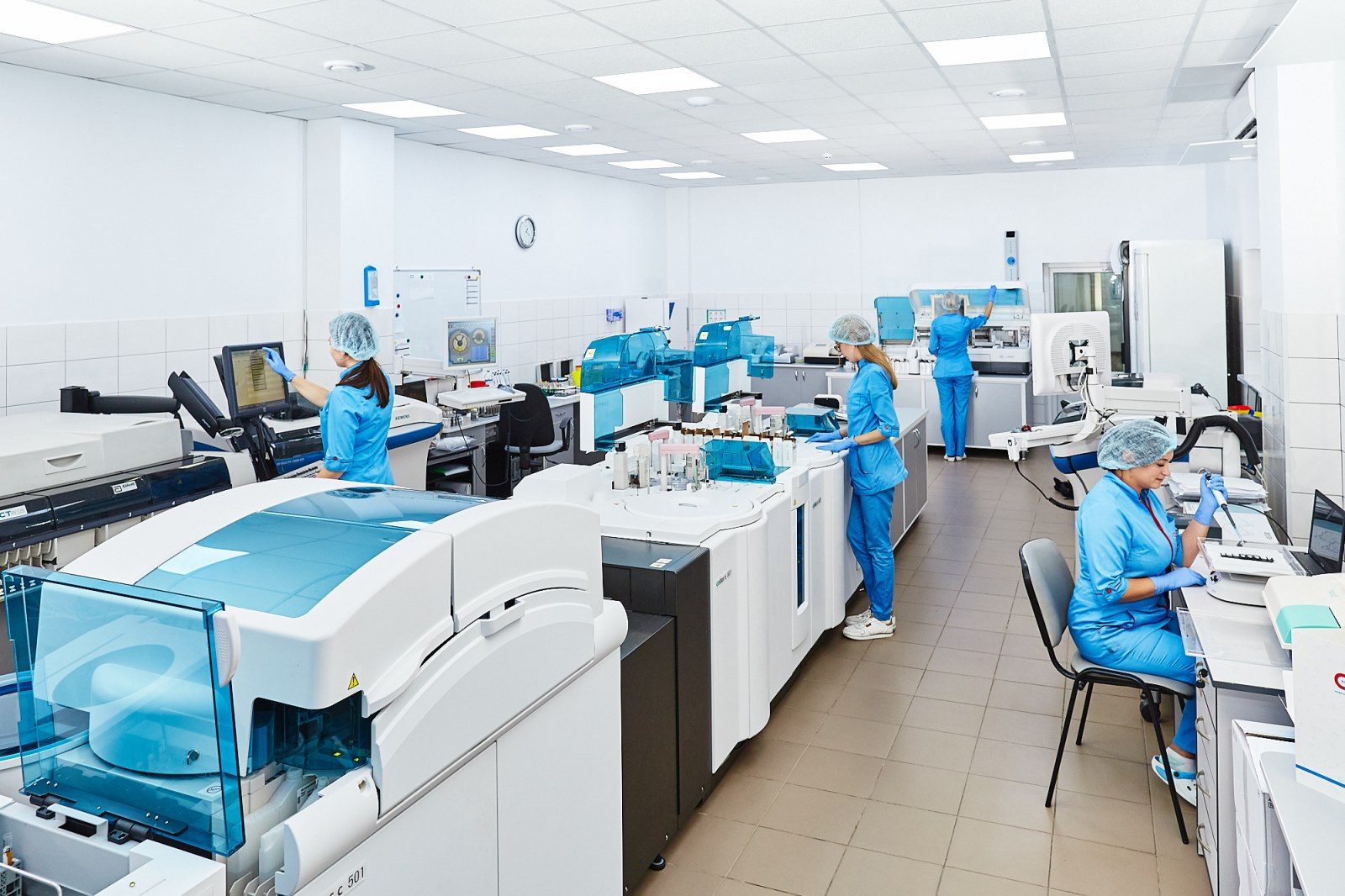
Scientists working at a laboratory bench
Food testing

Food and agriculture labs

Multi-residue panels with hundreds of analytes, and every customer with their own limits. The agent applies the right specification to the right client and drafts the certificate.

  • Multi-residue batch processing. Pesticide and mycotoxin panels processed against each client's and each market's limits, not one generic table.
  • Certificates of analysis drafted. Results, qualifiers and specification checks assembled into your CoA template for the reviewer to sign.
  • Recovery and spike checks. Matrix spikes, duplicates and calibration checks evaluated per analyte, with the re-extraction list written out.
Pesticides LC-MS/MSMycotoxinsHeavy metals ICP-MSNutritional panelsAllergens ELISAVitamins HPLC
2 minfrom two to three hours of processing a day, per analyst
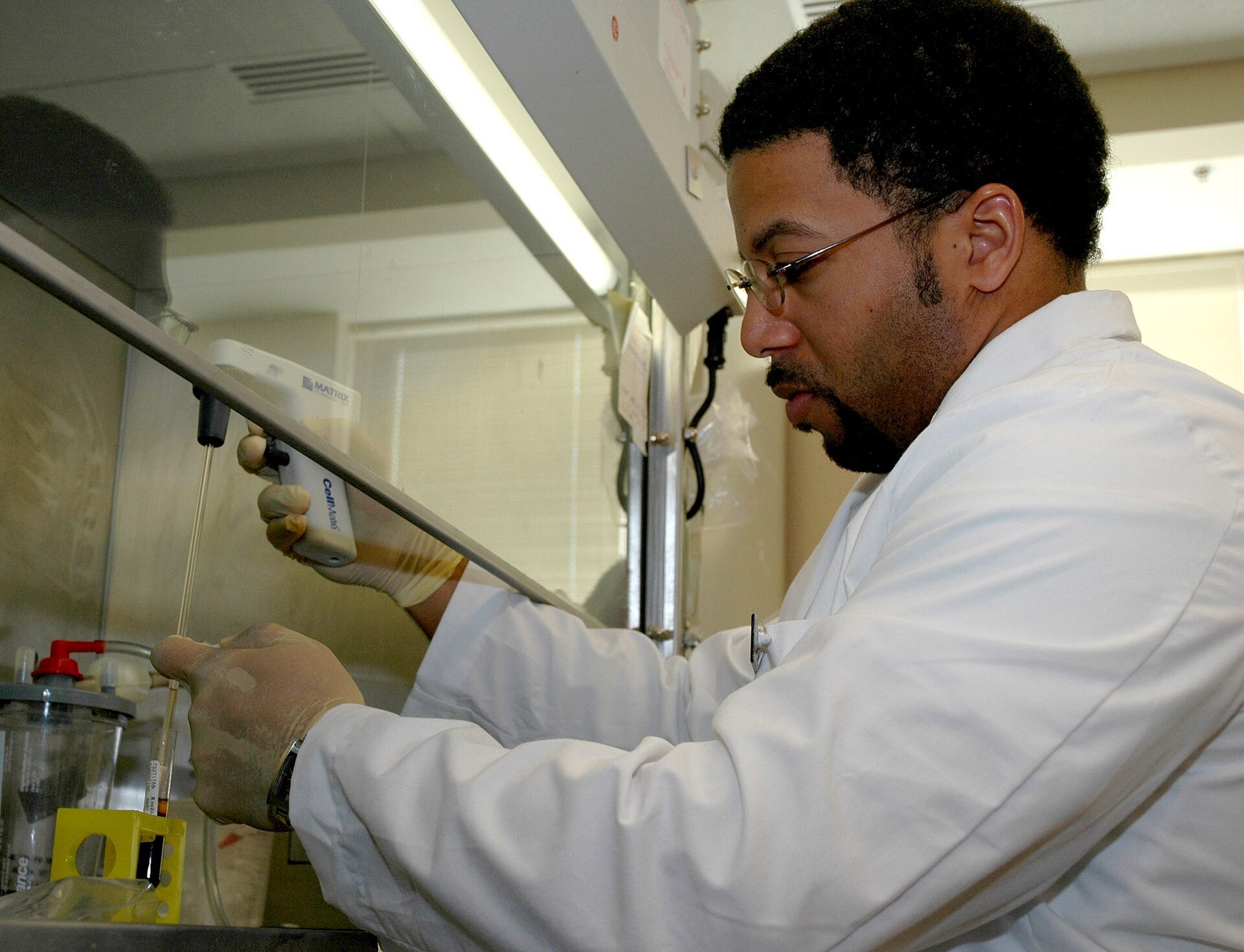
Analyst pipetting in a pharmaceutical laboratory
Pharma · CDMO · CRO

Pharma QC, CDMOs and CROs

Out-of-specification results carry federal teeth. Whether you are a sponsor's QC group, a CDMO releasing batches against each client's specification, or a CRO reporting stability and bioanalytical studies in the sponsor's format, the agent assembles the Phase 1 investigation from the chromatography data and audit trail, in your own template, so QC reviews evidence instead of hunting for it.

  • LIR and OOS Phase 1 packets. Checklist with cited evidence, ranked hypotheses and the retest protocol per your SOP, drafted the same day.
  • Client-specific release for CDMOs. Each sponsor's specification, reporting format and notification rules applied to their batches, with the audit trail attached to the release packet.
  • Study reporting for CROs. Stability, method validation and bioanalytical runs processed against the protocol and reported in the sponsor's template, ready for QA and the sponsor's review.
  • Audit trail review. System, method and result audit trails read and summarized against the run, with anything unusual called out.
HPLC / UPLC assayImpuritiesDissolutionStability studiesBioanalyticalOOS / OOT / LIR21 CFR Part 11 records
80%+less time per LIR / OOS investigation
Beyond peak integration

The rest of the batch, done the same way.

Results from agents running inside client labs. Client names withheld; we can walk you through how each number was measured.

LIR / OOS investigations
80%+

Investigation time reduced by more than 80%.

Out-of-spec results used to mean days of pulling audit trails, prep records and instrument logs by hand. The agent assembles the Phase 1 packet from the run data with every piece of evidence cited, and QC reviews and signs.

Pharma contract testing lab · quality control group
Batch data processing
2 min

From two to three hours a day to two minutes, in real time.

Analysts in food and environmental labs spent most of their day processing exports, checking QC and keying results. The agent now does it as each run finishes: import file, re-run list and review record ready before the analyst sits down.

Food and environmental testing labs · ICP-MS and GC/LC-MS methods
alpha-Chlordane · column 1 · the analyst re-drew this one by hand Their software 19.4 ppb 15% high Caddie 16.7 ppb 1% from analyst REASON, WRITTEN TO THE AUDIT TRAIL Confirmed on both columns (16.73 / 17.58 ppb, differ 5%). Analyst's signed result: 16.95 ppb. One peak from a real pesticide batch. Your analyst reviews and signs.
What you get

Finished work on a schedule, with the proof attached.

Every peak decided

Report or delete, and where the baseline goes, for every compound on every injection. Written back into your own quantitation files.

A reason on every call

Plain words, in your software's own audit format, filed where your audit trail already lives.

A short list for your analyst

Only the peaks that truly need a person. Confirm, adjust or overrule, and sign.

Next step

Send us one finished batch. We will integrate it blind.

One batch, exactly as delivered: the raw data files, the method and the signed results. We integrate every peak without seeing your analysts' work, then show you where we agree, where we differ and by how much.

Contact us to learn more
Other solutions