
Peak integration, batch close and data review.
Integration can take 50 to 70% of an analyst's day. Caddie reads the raw detector files from a finished batch, integrates every peak the way your analysts would, and writes a reason on each call. Your team checks the few that need a person, then signs.
Backed by New York's #1 tech accelerator
Organochlorine pesticides by dual-column GC-ECD, EPA 608 / 8081, from a North American environmental testing lab. 13 injections and 910 compound windows, taken exactly as delivered. Caddie never saw what the analysts had done. Then we compared.
The analysts' own audit trail logged 77 minutes of hand edits on the same batch, and it only counts the edits they saved.
On the single-compound peaks the analysts re-drew by hand. Within 10% on every compound: 100%.
Nothing reported that the analysts deleted. Nothing dropped that they kept. 98.6% of calls needed no person at all.
704 deletions and 205 re-drawn baselines by two analysts. Caddie made every call and left 10 peaks for review.
A reason on every call. The analysts' 909 edits carried 0 written reasons, because nobody types a justification 909 times. Caddie wrote one on all 910 of its decisions, in the software's own audit format.
Start with peak integration. Add the rest when you are ready. Each one runs on the files your lab already produces and hands your team a finished result to check and sign.
Every peak in a finished batch decided from the raw detector trace: real peak or not, where the baseline goes, report or delete. Written back into your own quantitation files with a reason on every call. Only the unclear few go to your analyst.
Every result recomputed from the raw areas and every QC check graded against your SOP and each client's limits. A failed calibration check comes back as the samples it affects, the re-run list with reasons and a review record ready to sign.
A 2,600-page data package checked against your client's format in seconds: missing forms, blank pages, duplicates, unsigned sheets and integrations with no justification. Find it before your client's data validator does.
The signed custody form checked against the sample login before anyone touches the samples. Every holding time recomputed, receipt temperature and preservation checked, and every hand-off in the signature chain accounted for.
For pharma labs, the Phase 1 packet drafted from the run data and audit trail in your own template: a checklist with cited evidence, ranked hypotheses and the retest protocol per your SOP.
Environmental, food and pharma labs share the same afternoon of data work, but the methods, limits and paperwork differ. Each gets its own setup.
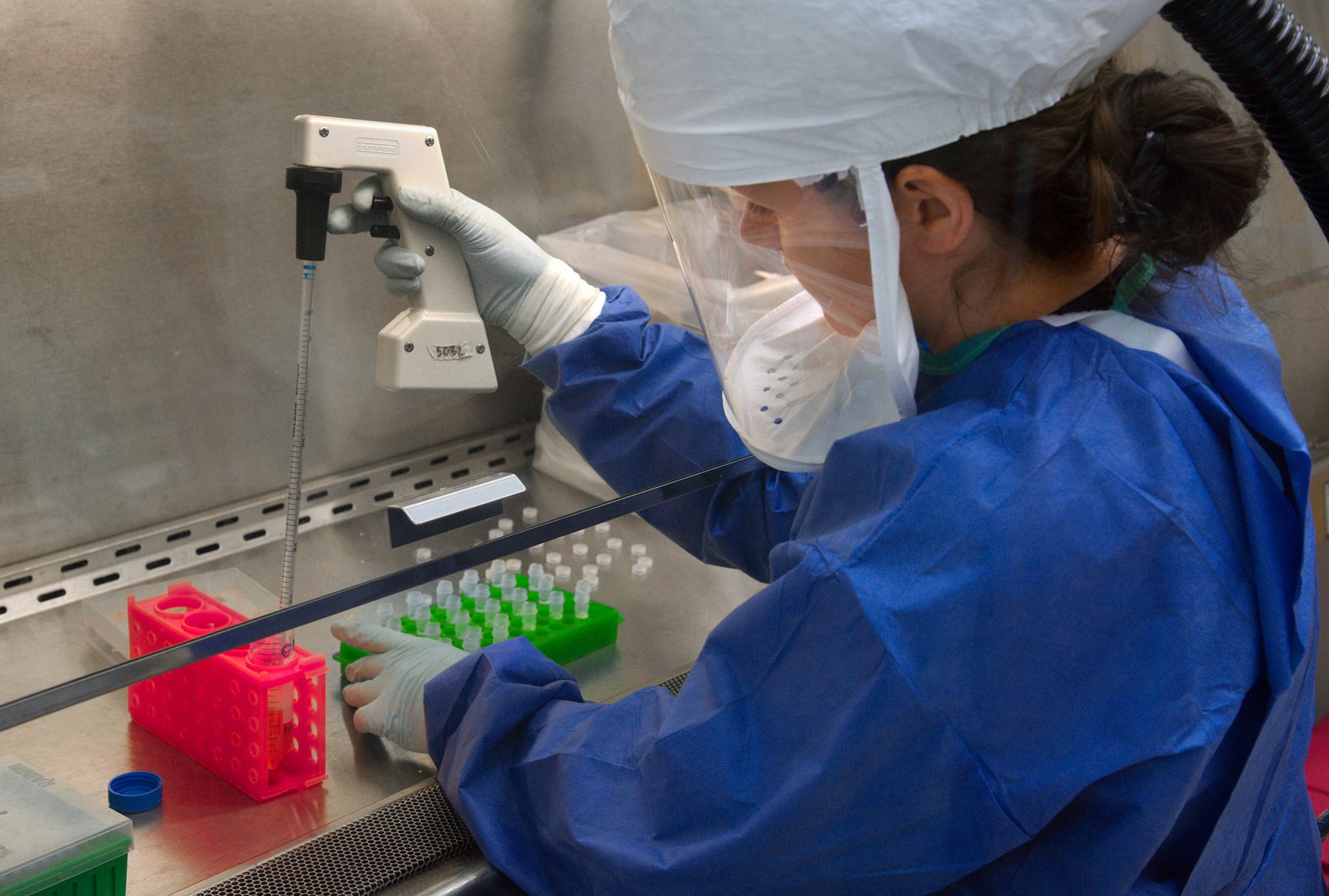
EPA methods are the same in every state, so a method built once runs everywhere. Peaks are integrated on both columns, bracketing, blanks and recoveries are followed to their consequences, and the record is drafted while the run is still fresh.
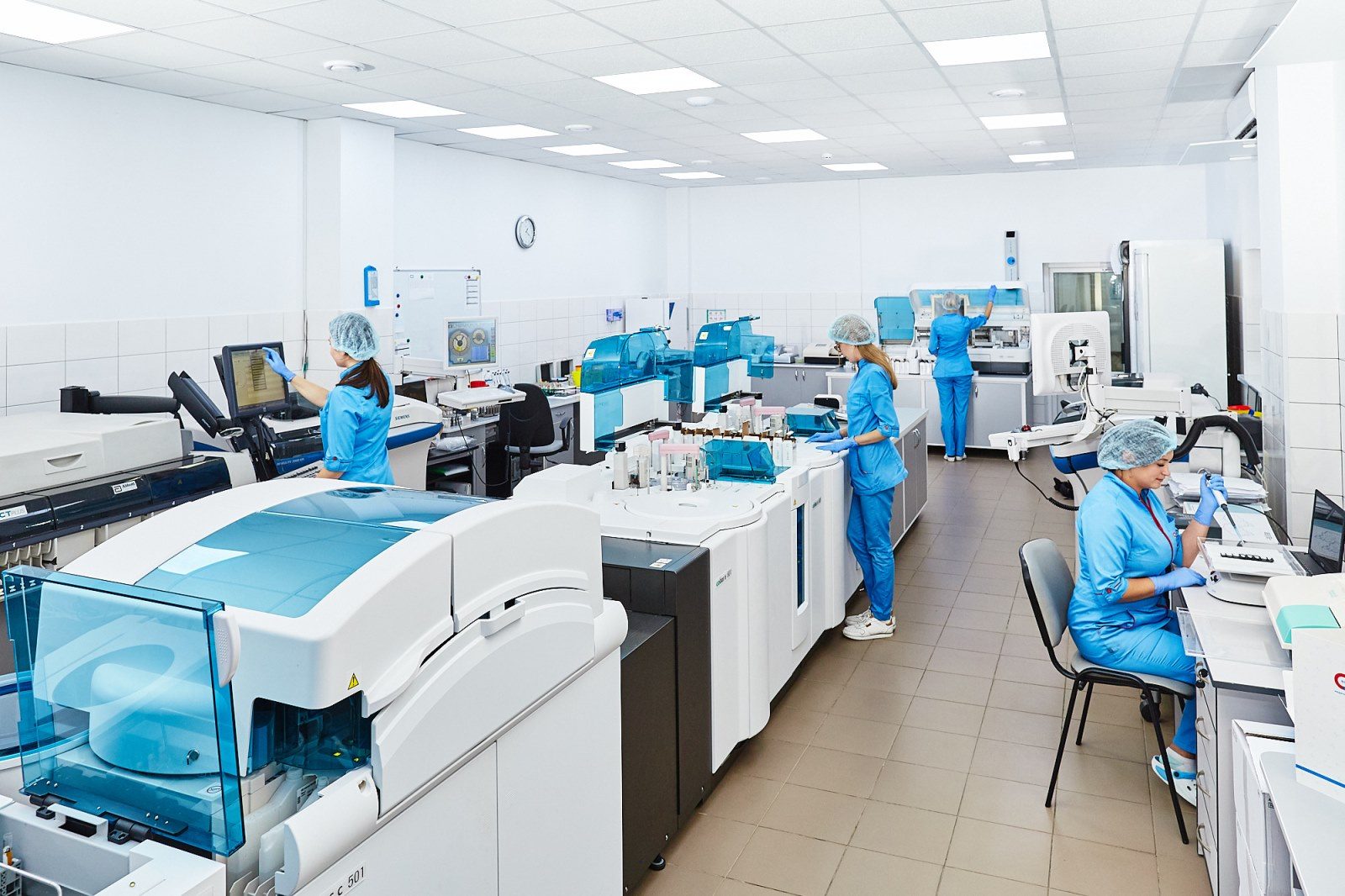
Multi-residue panels with hundreds of analytes, and every customer with their own limits. Caddie applies the right specification to the right client and drafts the certificate.
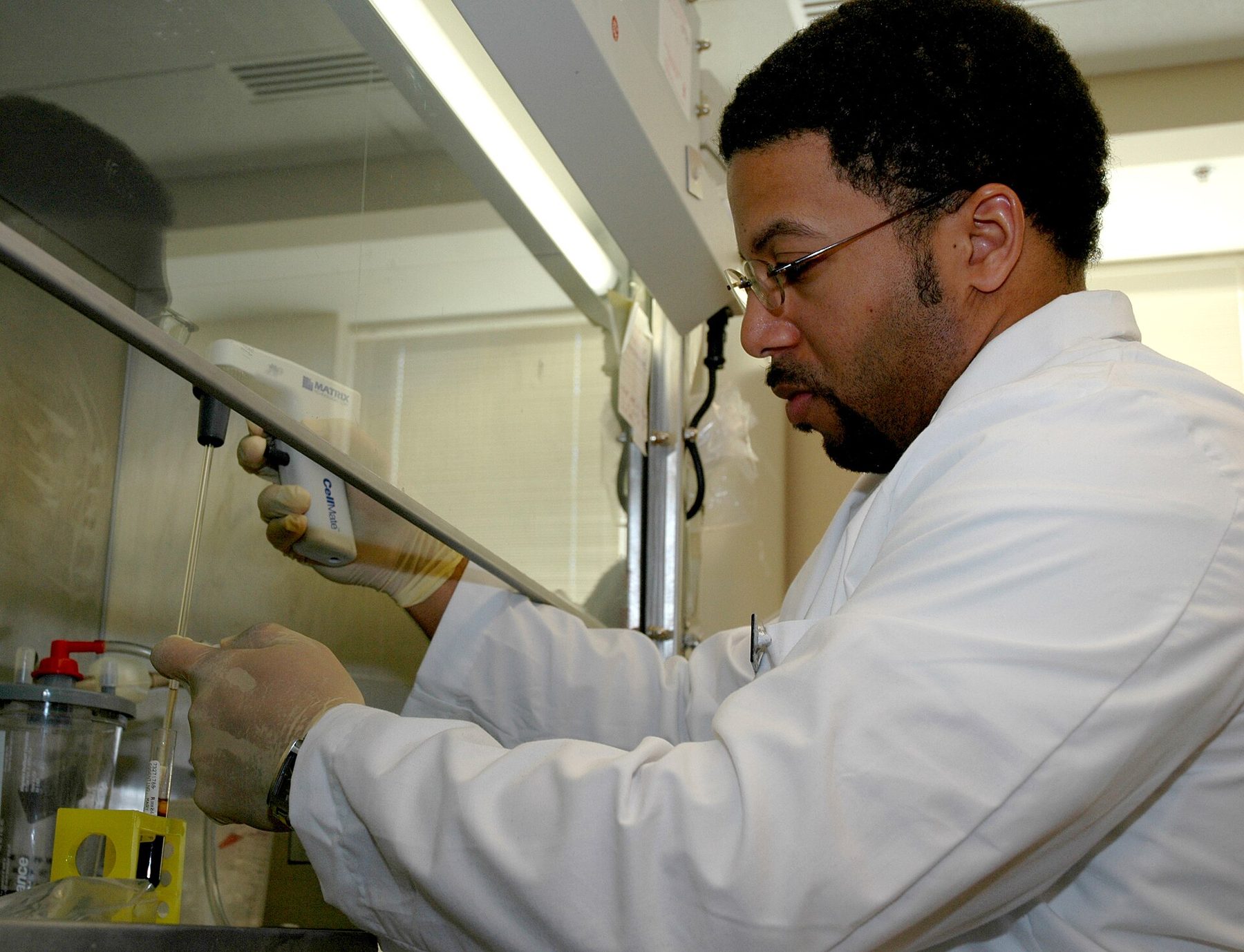
Out-of-specification results carry federal teeth. Caddie assembles the Phase 1 investigation from the chromatography data and the audit trail, in your own template, so QC reviews evidence instead of hunting for it.
Report or delete, and where the baseline goes, for every compound on every injection. Written back into your own quantitation files.
Plain words, in your software's own audit format, filed where your audit trail already lives.
Only the peaks that truly need a person. Confirm, adjust or overrule, and sign.
The same batch gives the same result today, next quarter and in front of an assessor. No model drift, no per-site tuning.
Everything runs through a secure web portal on the raw data files your instruments already write. Nothing to install, no change to your CDS or LIMS, nothing for your IT team to approve beyond a security review.
Send us the raw data files, the method and the signed results from one finished batch. Most labs are reviewing their first output inside two weeks.
ChemStation, OpenLab, MassHunter, TARGET and the rest. Results are written back into your own quantitation files, so your reviewers check the change in the software they already use.
Encryption in transit and at rest, single-tenant environments, role-based access and full audit logs. Documentation ready for your vendor review.
We work under NDA from day one. Your data is never used to train models, never shared, and deleted on request.
One batch, exactly as delivered: the raw data files, the method and the signed results. We integrate every peak without seeing your analysts' work, then show you where we agree, where we differ and by how much.